2026-08-23 ·
Flea and Tick Prevention for Alabama Homes
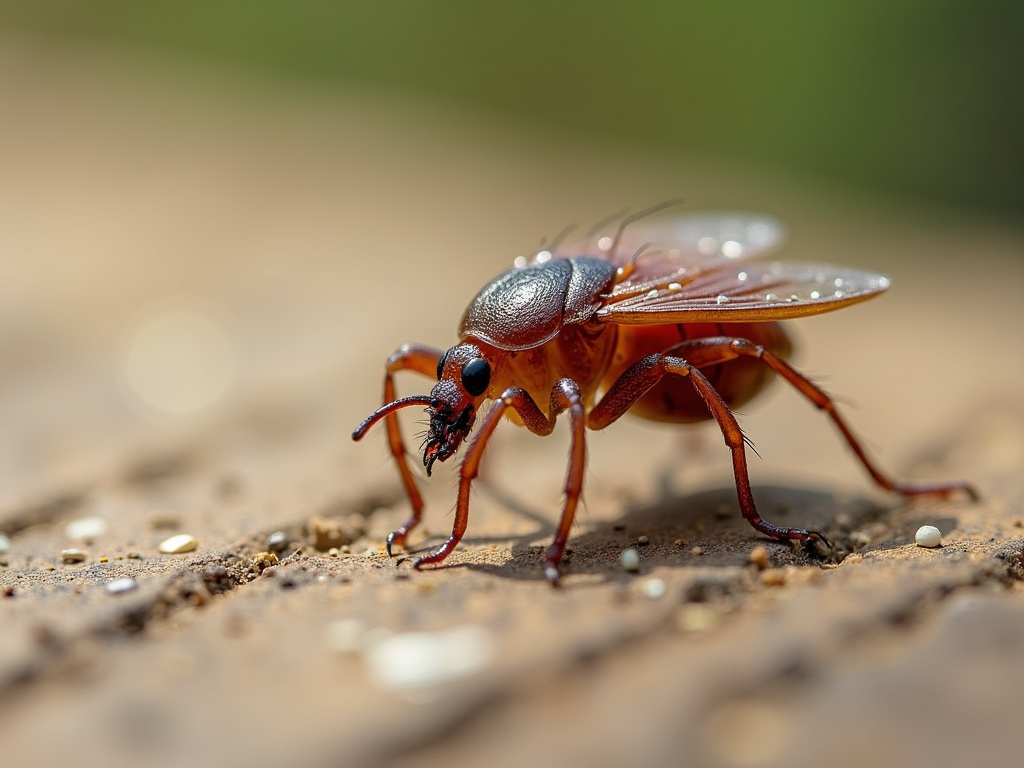
Effective flea and tick prevention for Alabama homes begins with consistent yard treatments and pet protocols that account for Jefferson County's hot, humid summers and mild winters, which allow these pests to remain active from March through November in places like Southside, Five Points South, and Avondale.
Local Climate and Pest Pressure in Birmingham
Jefferson County's humid subtropical conditions create ideal breeding environments for fleas and ticks. Hot summers with frequent rainfall keep soil moisture high around older brick homes in Highland Park and Forest Park, while mild winters let eggs survive in leaf litter near Crestwood and East Lake. Homeowners in Ensley and Pratt City often see spikes after spring rains because shaded yards near Oak Hill Memorial Cemetery retain humidity longer than open lots. Wildlife corridors around the Birmingham Zoo and Sloss Furnaces bring ticks into residential edges, and the same pattern repeats in North Birmingham and Titusville where properties back up to wooded patches. These factors mean one-time spring treatments rarely hold through the full season.
Housing Stock and Yard Challenges
Many Birmingham homes built before 1960 feature crawl spaces and mature landscaping that trap moisture, giving fleas places to develop away from direct sunlight. Properties in Woodlawn and Avondale commonly have chain-link fences bordering alleys where stray animals deposit ticks. In contrast, newer builds in nearby Homewood and Mountain Brook tend toward larger irrigated lawns that extend the active period. Residents in Highland Park report higher tick encounters when oak leaf mulch stays damp against foundation walls. Addressing these micro-habitats requires focusing on the perimeter first, then moving inward to pet resting areas and shaded decks common throughout Southside and Five Points South.
Practical Prevention Steps That Work Year-Round
Start by keeping grass under 3 inches and removing leaf piles weekly from March onward. Treat pet bedding with sprays labeled for indoor use every 30 days during peak humidity. Vacuum carpets twice weekly in high-traffic rooms, emptying the canister outside immediately. For yards, apply granular treatments to the lawn edge and under shrubs in early spring, then again after heavy summer rains. Homes near Railroad Park or the Birmingham Museum of Art benefit from extra attention to fence lines where deer and raccoons travel. These steps reduce populations before they reach indoor living spaces.
When Professional Help Makes Sense
DIY efforts often miss hidden egg clusters in crawl spaces typical of older Jefferson County homes. General Pest Control visits every 60–90 days provide consistent barrier protection that matches local weather patterns. Homeowners who also read When Is Pest Season in Alabama? gain better timing for follow-up applications. If pets bring ticks indoors repeatedly, combining yard work with targeted interior treatments prevents re-infestation more reliably than store products alone. Alabama Pest Control Network offers service Monday through Friday 8am–6pm and Saturday 9am–2pm for residents needing scheduled support across Birmingham and surrounding cities like Hoover.