2026-08-23 ·
How Often Should a Home Receive Pest Control?
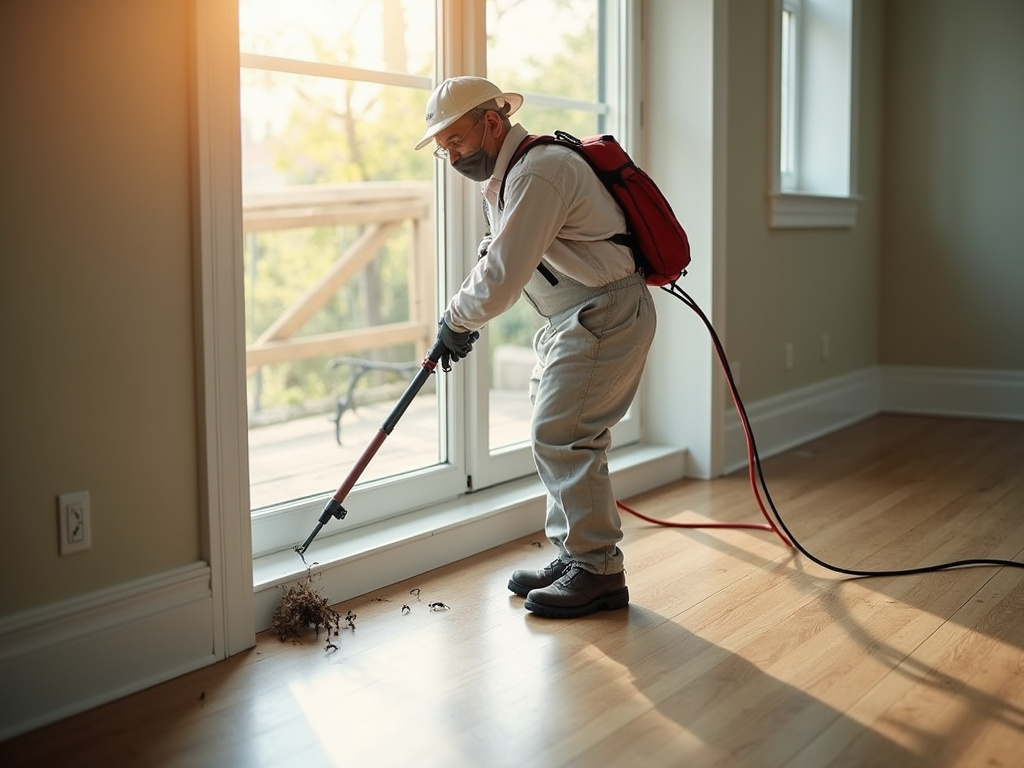
In Birmingham's humid subtropical climate, most homes should receive professional pest control every 3 to 4 months. This interval addresses the steady pressure from cockroaches, ants, and rodents that thrive in hot summers and mild winters across Jefferson County neighborhoods such as Southside, Five Points South, and Avondale.
Seasonal Pressures in Jefferson County
Birmingham experiences long stretches of high humidity that keep soil moisture elevated, allowing subterranean termites to remain active even during mild winters. Homes in older sections like Highland Park and Forest Park often sit on crawl spaces or pier-and-beam foundations where moisture lingers, increasing the chance of termite activity. In contrast, newer builds in Crestwood or East Lake may still face issues from nearby wooded lots that harbor rodents and wasps. A 3-to-4-month cycle lets technicians inspect and treat before populations rebound after summer rains or before winter brings rodents indoors seeking warmth. Residents in Titusville and Pratt City report similar patterns, where aging plumbing and dense tree cover accelerate pest entry points.
Housing Stock and Terrain Influences
Many properties in Woodlawn and North Birmingham date to the early-to-mid 20th century, featuring brick foundations and unsealed utility penetrations that provide easy access for German cockroaches and mice. The red clay soils common throughout Jefferson County expand and contract with moisture changes, creating gaps under slabs in Ensley and Pratt City homes. These conditions mean quarterly visits often include perimeter treatments and attic inspections rather than one-time sprays. Homeowners in nearby Homewood and Mountain Brook with larger lots and mature landscaping typically schedule the same 3-to-4-month frequency because leaf litter and irrigation systems sustain fire ant mounds year-round.
Monitoring Intervals for Specific Pests
Termite colonies in the area can go undetected for years, so pairing general service with targeted termite control every 12 months helps protect foundations in high-risk zones like Avondale and Forest Park. Cockroach and ant pressure peaks from May through September, making the standard quarterly rhythm effective for most single-family homes. Properties near Railroad Park or the Birmingham Zoo that back up to green spaces may benefit from an extra perimeter check in late fall when rodents move toward structures. General pest control visits focus on sealing entry points and monitoring bait stations rather than blanket applications, giving residents clear data on whether the 3-to-4-month schedule needs adjustment.
Practical Steps Between Professional Visits
Homeowners can extend the effectiveness of each service by reducing moisture around foundations, storing firewood away from walls, and keeping gutters clear of debris that holds water. Checking for droppings or mud tubes monthly in basements and crawl spaces provides early warning before the next scheduled appointment. When DIY methods fall short, comparing approaches in DIY pest control vs professional pest control shows why consistent professional monitoring outperforms sporadic over-the-counter products in Jefferson County's climate. Keeping records of sightings helps technicians refine treatment zones on subsequent visits.
Adjusting the Schedule for Local Conditions
If a home shows repeated activity from fire ants or wasps after heavy summer storms, shortening the interval to every 8-10 weeks for one or two cycles often restores control. Conversely, well-sealed newer homes in Hoover may maintain results on a 4-month rotation once initial populations are reduced. Technicians note that properties bordering Oak Hill Memorial Cemetery or Sloss Furnaces sometimes require extra attention to drainage issues that attract pests. Tracking these variables over a full year allows residents to settle on a reliable rhythm without unnecessary treatments.