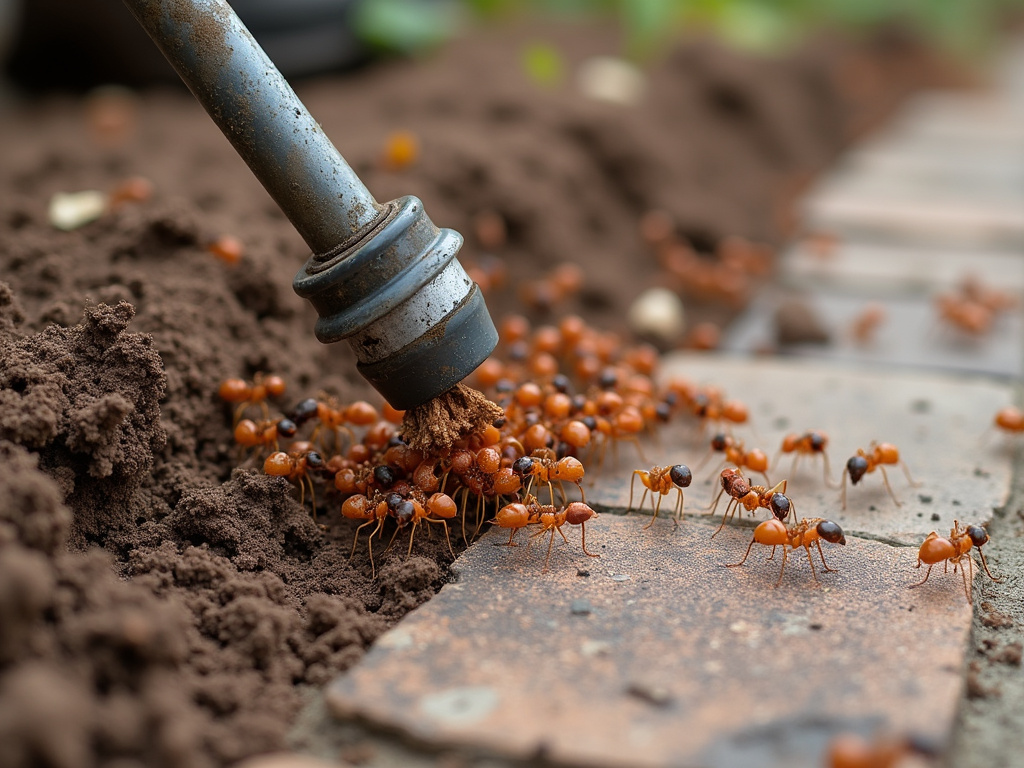
In Hoover's suburban neighborhoods surrounding the Riverchase Galleria, fire ant treatments target colonies in lawns of single-family homes along US-280 and AL-150 corridors. The area's hot, humid summers accelerate mound building in yards near Moss Rock Preserve and Aldridge Gardens, where untreated colonies often spread into adjacent corporate and retail properties. Mild winters allow persistent activity, leading to common failures when baits are applied without follow-up inspections around the Hoover Metropolitan Complex.
Fire Ant Treatment in Hoover — What We Handle
- ✓Proximity to Spain Park and Aldridge Gardens requires perimeter barriers to block queen migration from preserve edges.
- ✓Retail and corporate lots along US-31 demand discreet, low-odor applications during Saturday morning slots.
- ✓Jefferson County soil near I-65 exits often needs deeper drench treatments due to vehicle-transported colonies.
Fire ants thrive in Jefferson County’s humid subtropical climate, building mounds in lawns and beds after spring rains and staying active through hot summers. Homes in older sections such as Ensley, Pratt City and Titusville often sit on clay-heavy soils that retain moisture, letting colonies expand beneath the surface even when mounds appear controlled. Treating only visible mounds leaves satellite colonies untouched, so effective work requires locating the main nest and using products that reach foraging trails common around foundations near Oak Hill Memorial Cemetery and Railroad Park.
Properties in Crestwood, Forest Park and East Lake frequently back up to wooded edges or drainage ditches that funnel new queens during mild winters. Fire ants also nest along fence lines and under paving in compact lots typical of Southside and Highland Park, where limited lawn space brings mounds close to play areas and walkways. Technicians map these routes first, then apply targeted baits and mound drenches that account for foot traffic patterns around landmarks like Vulcan Park and the Birmingham Zoo without leaving residue that affects pets or pollinators.
How It Works in Hoover
- 1
Site Inspection
Technician walks the full property noting mound locations, soil moisture and entry points near structures in neighborhoods like Ensley or Pratt City.
- 2
Colony Mapping
Foraging trails and satellite mounds are identified using bait stations to locate the main nest before any product is applied.
- 3
Targeted Treatment
Baits and mound drenches are placed directly into active sites and along trails using formulations suited to local clay soils and summer heat.
- 4
Follow-Up Visit
Return service two to three weeks later checks for rebound colonies and treats any new mounds that appear after rainfall.
Fire Ant Treatment Services We Offer in Hoover
✓Individual Mound Treatments
Direct drench and bait application to active mounds in lawns and beds across Avondale and Woodlawn for fast visible knockdown.
✓Broadcast Baiting Programs
Granular bait spread over entire yards in Crestwood and Forest Park to reach hidden colonies before they form new mounds.
✓Perimeter Barrier Applications
Liquid barrier around foundations and fence lines in Southside and Highland Park to stop foraging trails from entering homes.
✓Fire Ant Prevention for New Lawns
Pre-treatment of soil and sod in new builds or renovations in Homewood and Mountain Brook to reduce early colony establishment.
✓Play Area and Pet-Safe Treatments
Low-residue options for yards near schools, parks and dog runs in Titusville and East Lake that keep children and pets off treated zones for minimal time.
Serving All of Hoover
We regularly handle fire ant treatment jobs near:
- 📍Riverchase Galleria
- 📍Hoover Metropolitan Complex
- 📍Aldridge Gardens
- 📍Moss Rock Preserve
- 📍Spain Park
Fire Ant Treatment Pricing in Hoover
Pricing varies by yard size, number of mounds and whether broadcast baiting or perimeter barriers are needed.
Want the full picture of this service? See our Fire Ant Treatment page, or everything we do in Hoover, AL.